Best Physiotherapy Now at
Nashik Road

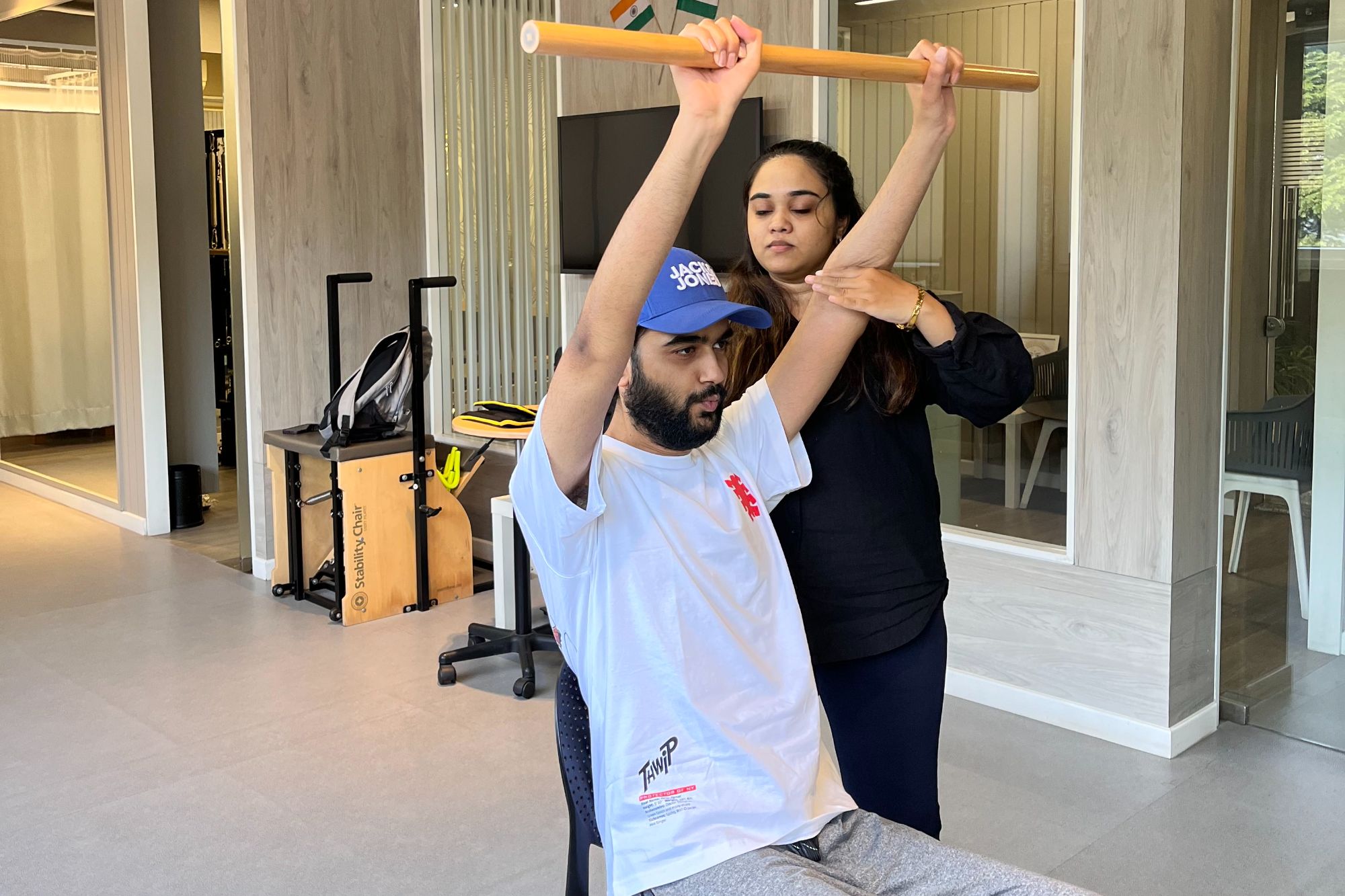
Discover the path to pain-free living with our dedicated team of physiotherapists, committed to restoring your strength, flexibility, and overall well-being. From physiotherapy for back pain to rehabilation after knee surgery, we help you with all! Your answer to “Who is the best physiotherapist near me?” ends here!

1 Hour - 1 Physio - 1 Patient

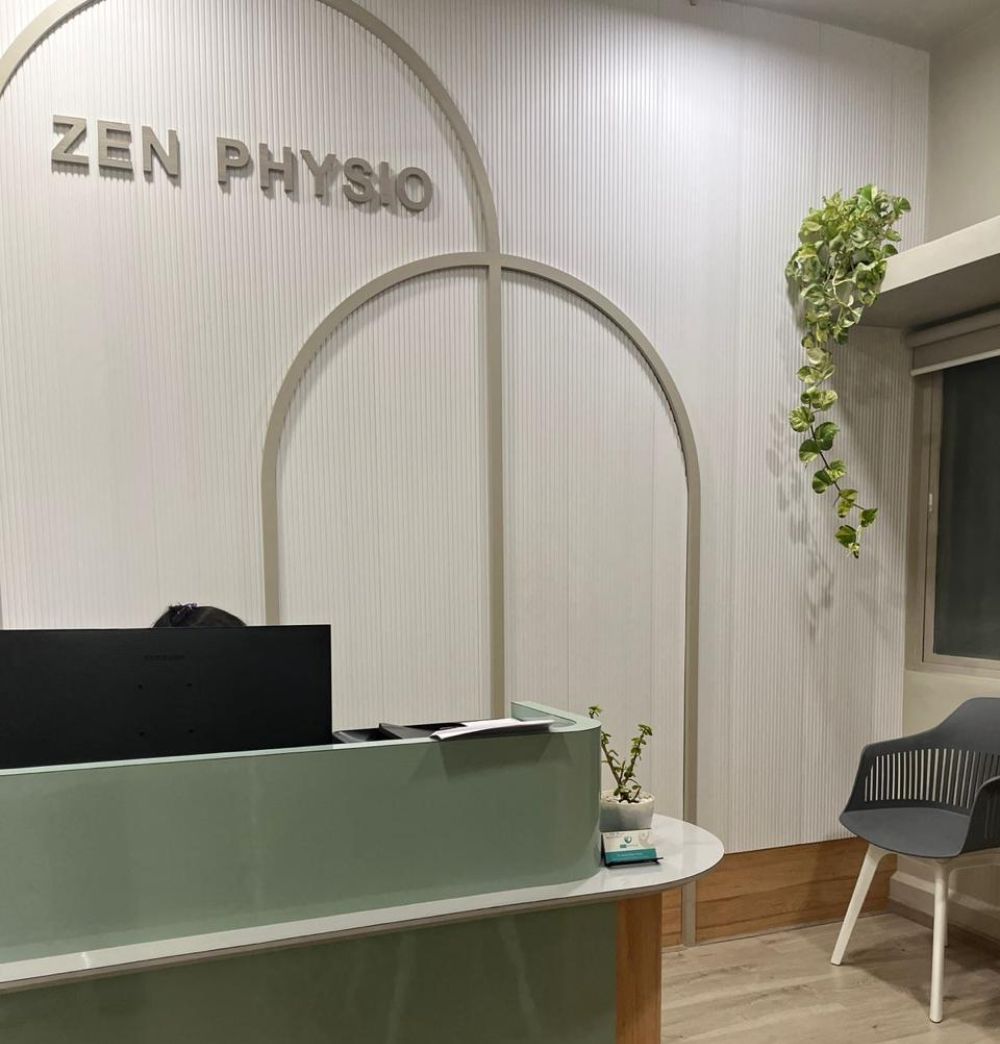
At Zen Physio, we provide personalized physiotherapy tailored to your unique needs. The Zen Physio family believes in creating a warm healing environment for the patients, where recovery feels like a pleasant journey.

Experience State-of-the-Art Treatment

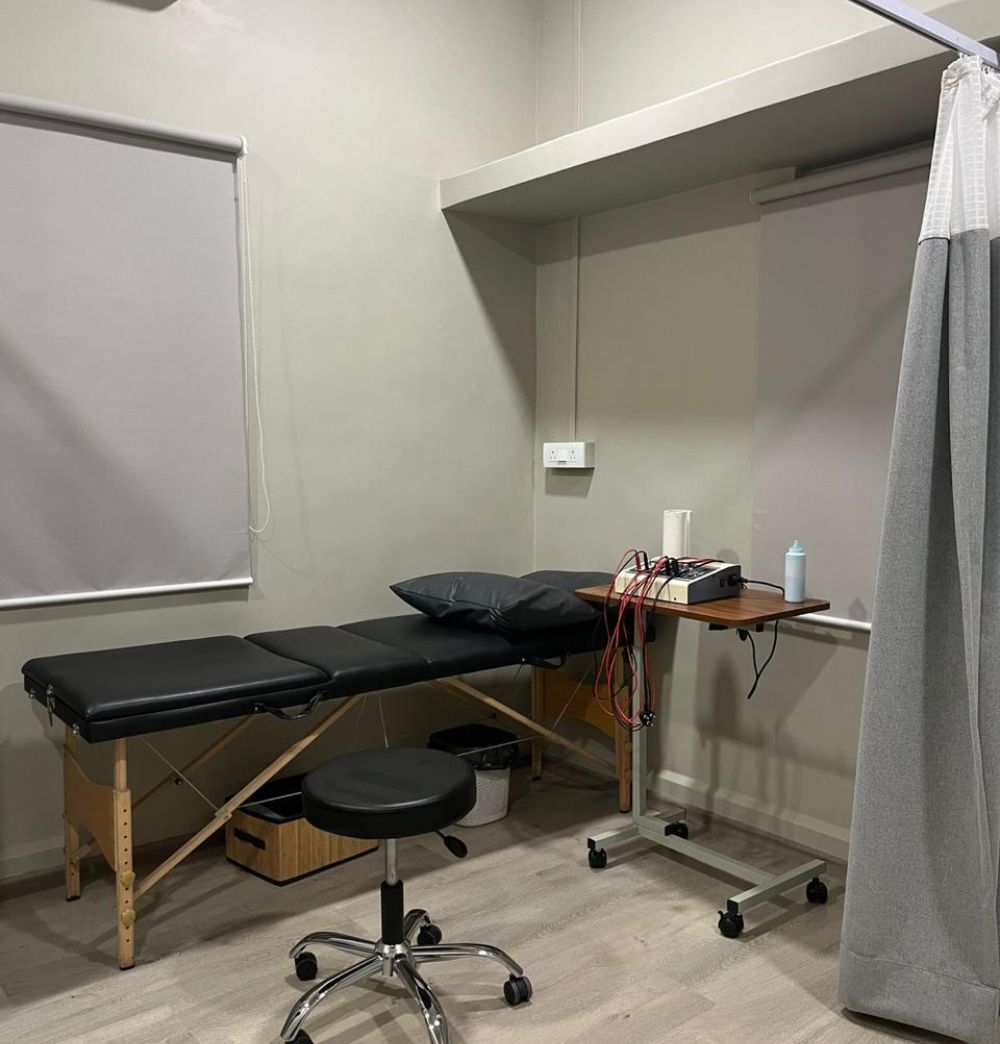
Our expert therapists use advanced techniques and latest technology to alleviate pain, restore mobility, and enhance recovery. We’re one of the best physiotherapy centres in Nashik.

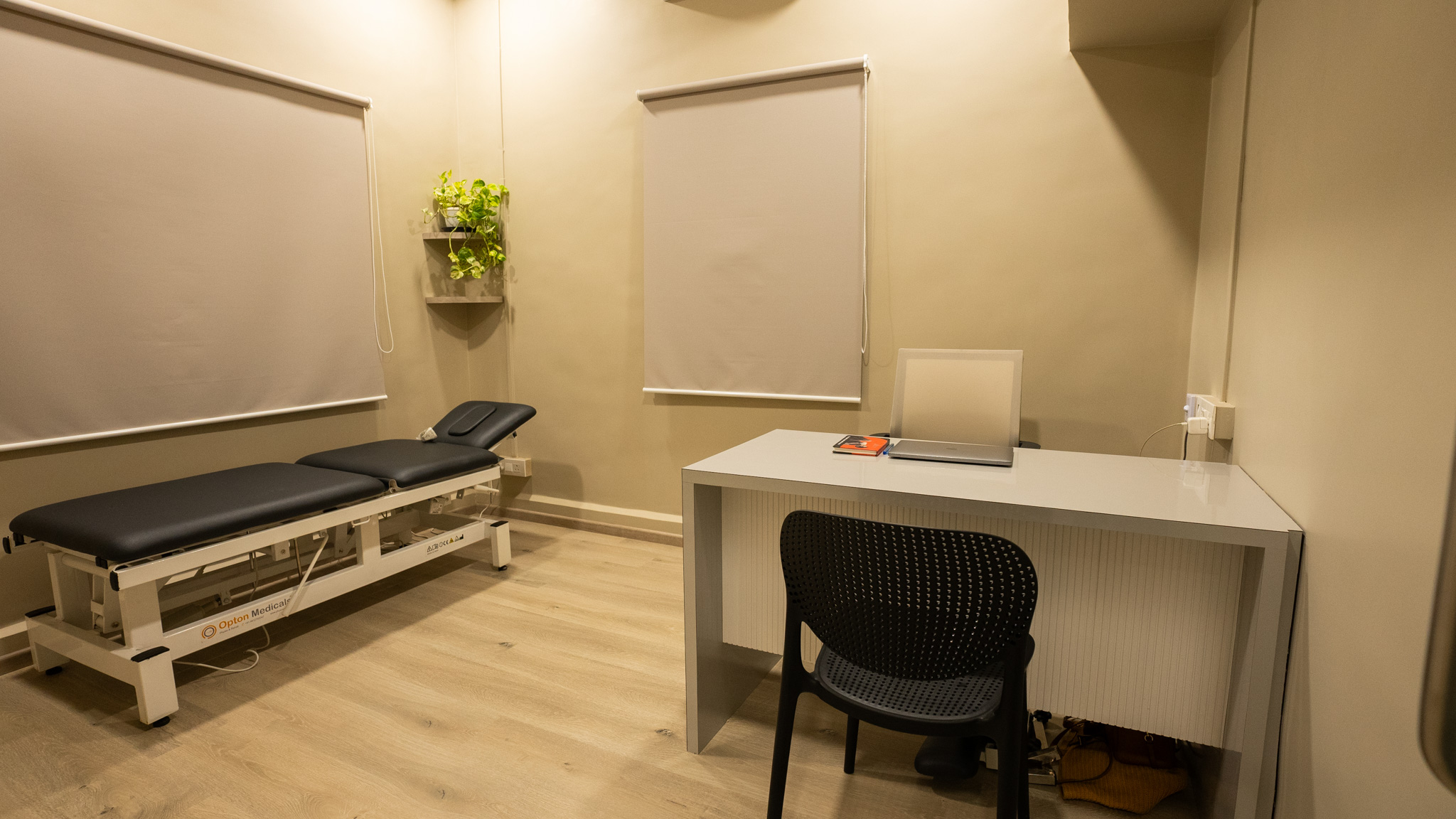
In-Clinic Physiotherapy

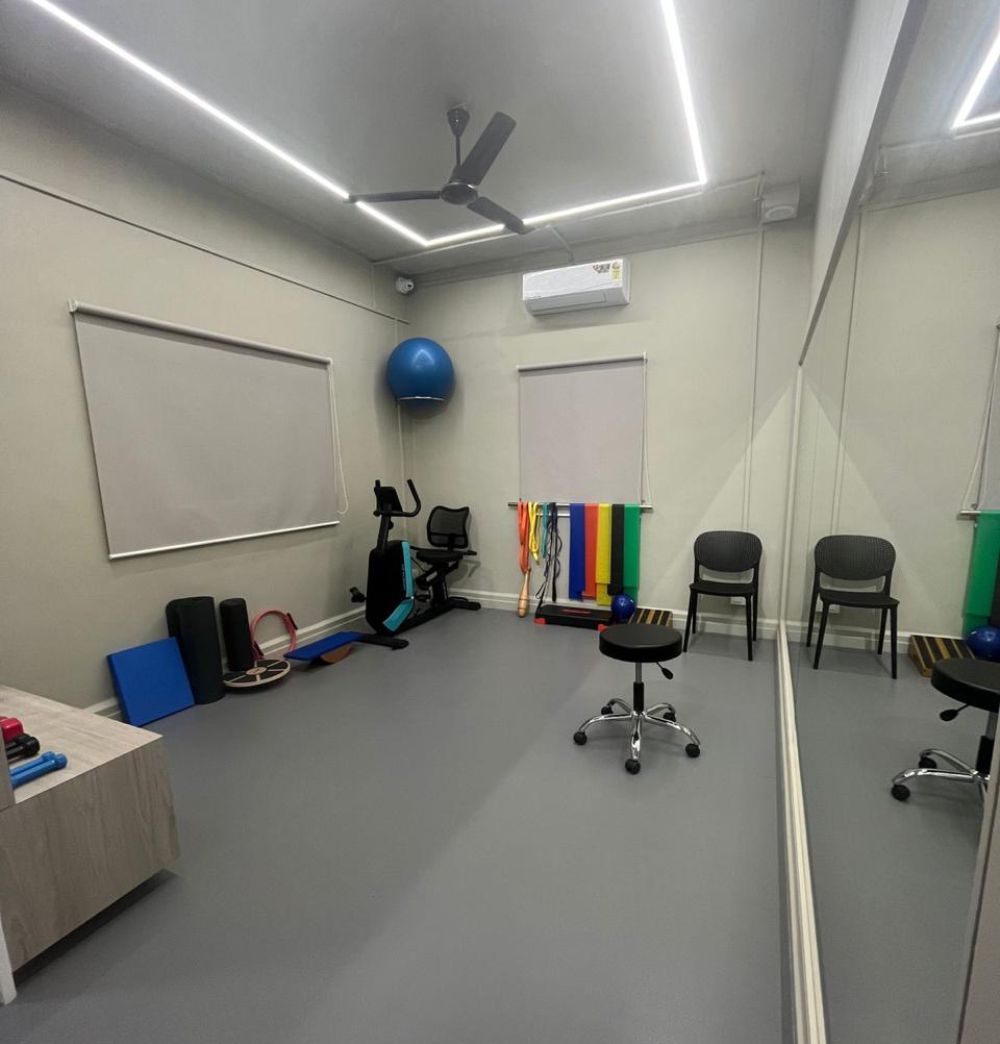
Visit our clinic in person to utilize our expertise and state of the art equipment to help you with your rehab journey.
Tele-physiotherapy

Get expert online physiotherapy in real time—one-on-one treatment at our virtual clinic.
Home Physiotherapy

If you are unable to visit our clinic, we will move the clinic to your home. Contact us to know more.

about the founder

Dr. Anchal Bisen

Dr. Anchal Bisen Dinani (PT) is the founder of Zen Physio, Nashik’s first global-standard integrative physiotherapy and rehabilitation clinic, and Kaizen Pilates, Nashik’s first multi-reformer Pilates studio. With over a decade of practice, she has built Nashik’s finest physiotherapy Centre. After building trust with 1000+ patients, she has expanded her expertise in Physiotherapy with another branch at Nashik Road. The Nashik Road Physiotherapy Centre works on a holistic approach of treatment with highly customised treatment plans.

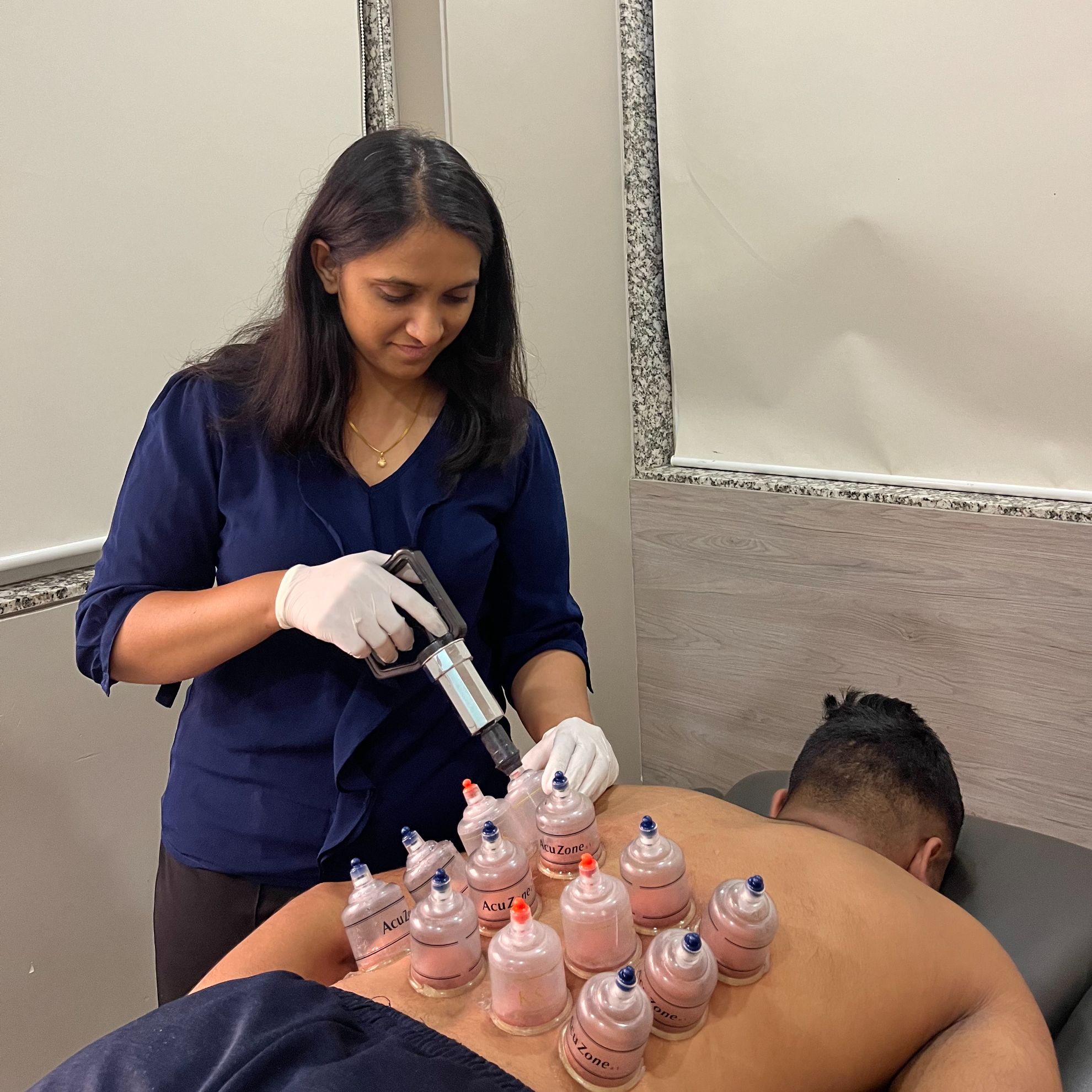
Why Choose Us

Why get treated by Us?

At Zen Physio, we provide expert, personalized care in a tranquil environment. Combining evidence-based physiotherapy with Pilates, we offer holistic treatment that addresses immediate needs and long-term wellness, helping you achieve balance, strength, and a pain-free life.
Z

Experience and Expertise

Dr. Anchal and her team of expert physiotherapists have treated more than 5000+ patients in and out of Nashik.

Z

Holistic Approach

We believe in a complete mind-body-lifestyle change and not just treatment of physical symptoms. This allows us to offer a more comprehensive treatment.

Z

Friendly and Professional

We aim to make our patients feel comfortable and encourage open communication with us to understand their problems better.

Z

High-Quality Service

To ensure the best treatment, we constantly use up-to-date techniques and the latest possible technology.

Services

What we offer

At Zen Physio, we offer evidence-based treatments to enhance your mobility, manage pain and disability holistically. Our team of experts can help you with the following

Conditions We Treat
Headaches

Headaches are commonly seen across all genders and age groups. Some common types are tension headaches, migraines, cervicogenic headaches or headaches caused because of other secondary conditions. A physiotherapist would typically evaluate you and determine the type of headache and if it is treatable by physiotherapy. Headaches are improved with the right exercises and hands on manual techniques. It helps improve quality of life, improved sleep, increased neck motion, decreased need for medication and reduction in headache frequency and intensity.
Hand Pain

Hand pain can occur due to multiple reasons which can prevent you from simple day to day activities. Symptoms can start suddenly or may develop after a few years post injury/trauma. Symptoms of may include hand weakness, tingling, numbness, pain in the thumb and fingers, pain in the side of the wrist, difficulty gripping / grasping, stiffness and difficulty with movement, etc
Neck Pain

Neck pain is one of the common complaints in most people. Postural changes and lifestyle choices are a common factor for increasing neck pain. A good range of motion in the neck enables proper head and shoulder movement. Neck pain can be caused due to a sudden jerk, improper posture, sports injuries, falls, prolonged sitting and symptoms include pain in the neck and head, difficulty looking to either sides, difficulty tilting the head, upper back pain, pain radiating towards the shoulders, etc
Shoulder Pain

Shoulder is a joint that anatomically has a lot of mobility but at the cost of its stability. This makes the shoulder joint more prone to injuries. Shoulder pain is commonly seen after sports injuries, falls, improper weight lifting, age related changes, falls, etc. Working on the mobility, strength and stability of the shoulder joint, shoulder blade and the mid-back is crucial in attaining complete recovery from pain and injury. Some symptoms are pain when sleeping on the affected side, pain when elevating arm, pain going up towards the neck, difficulty lifting objects, clicking of the shoulder, etc
Elbow Pain

Elbow, forearm and arm pain is very commonly seen with sports injuries, trauma, as a result of repetitive movements and overuse injuries. Some common symptoms that include are arm redness, stiffness, swelling, tingling, numbness, sharp pain, muscle weakness, pain with gripping / grasping, etc
Hip Pain

Hip pain can be caused due to a number of reasons and can be debilitating since most movements of the spine and legs involve movement at the hips. True hip pain is noted around the groin, pain other than the groin region could be streaming in from the SI joint, other parts of the the pelvis and the lumbar spine. Hip fractures, another major cause are commonly seen is elders post falls. Some symptoms of hip pain include groin pain, reduced range of motion, limping, pain with prolonged sitting, pain while laying on your side, difficulty walking up and down the stairs, etc.
Knee Pain

Knee pain is one of the commonest complaints across all age groups. Acute and chronic knee pain can potentially hinder your ability to walk, drive, stand, climb stairs and manage other daily functions. Knee pain can occur due to a variety of reasons associated with sports trauma, injuries, lifestyle patterns, age related changes, improper footwear, ankle instability, hip instability and weakness, etc. Some symptoms of knee pain are redness around the knee joint, swelling, weak muscles, stiffness, excess fluid, warmth, etc.
Foot Pain

Feet are literally the base of your body when one attains an upright weight bearing position such as standing or walking. Certain alignments of the foot can make someone more prone to certain injuries and conditions. Proper biomechanics of the foot dictate how the ankle, knees and hips function and vice versa. Foot pain is commonly seen with sports injuries, obesity, improper exercise techniques, flat feet, etc. Some symptoms are pain in arch of foot, pain in toes, heel pain, swollen feet, weakened feet, trouble standing, inability to walk up stairs, pain while walking, pain getting out of bed, pain standing up from a seated position, etc
Ankle Pain

Ankle pain is commonly seen in athletes and someone who is on their feet all day. Although improper footwear can cause ankle pain; ankle sprains or ”rolled ankles” are a major cause for ankle pain. Once the ankle is sprained/strained, the probability of re-injuring or re-spraining the ankle increases. Physiotherapy can help manage initial onset of the injury and its recurrence. Some symptoms are pain and swelling in the ankle area, throbbing, weak ankle, stiffness in the ankle area, instability in the ankle joint, bruising around the ankle area, inability to bear weight on the ankle, burning pain in ankle, tingling, numbness,etc.
Back Pain

The spine is a long unit with multiple joints from the base of the skull all the way down into the buttock region. There are many causes for back pain which include muscle and ligament strain, disc herniation, nerve root impingement, fracture etc. Back pain can occur in the upper, middle or lower part of the back and is believed to be as common as the common cold and can be caused by an acute injury, postural changes or a chronic condition. Some symptoms are pain or discomfort in upper back or lower back, stiffness along the spine, sharp aches in the upper back or lower back, soreness in the upper back or lower back, muscle spasms, difficulty maintaining one position, etc. Symptoms of back pain can often be felt in other areas of the body or even radiate to legs.
Leg Pain

Leg pain is commonly seen and can be a result of sports injuries, improper techniques of exercising or undergoing physical activities that one is not used to. Leg pain is usually caused as a result of muscle strain. Most of these muscular injuries can be treated by physiotherapy. Leg pain can also be caused due to certain vascular insufficiencies, radiculopathy, crush injuries or compartment syndrome. Some symptoms are pain when stretching or flexing thigh muscles bruising on the leg, leg swelling, weak legs, muscle spasms,etc
Wrist Pain

Wrist is a link between the forearm and the hand and which is why wrist pain is commonly seen with elbow and hand injuries and vice versa. Repetitive motions, excessive upper body weight bearing, improper exercise techniques, sports injuries are some of the most common causes of wrist injuries. Most wrist pain and injuries can be managed by Physiotherapy. Some symptoms may include pain, wrist stiffness, weakness in hands, difficulty gripping, tingling and numbness in hand, elbow and forearm discomfort, etc.

Treatment Programs
Orthopedic Therapy

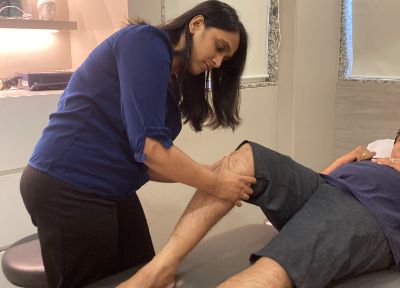
Orthopedic therapy is a specialization in Physiotherapy that aims at improving weakened and injured components in the musculoskeletal system eg: Joints, bones, muscles, tendons, ligaments, fascia, etc. Orthopedic Therapy is the most widely used in acute, chronic injuries and surgical cases.
Balance and fall prevention

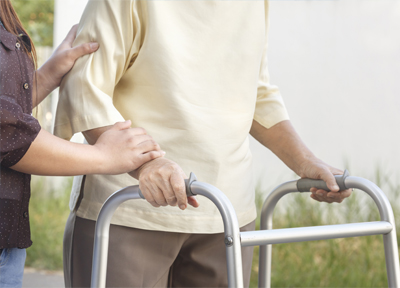
Balance and fall prevention is an important part of Physiotherapy that aims at identifying multiple risk factors associated with falls and managing its complications. We assess our patients and their environment that maybe associated with high risk factors and suggest changes and modifications in our patient’s home or office that ensure safety. We work with them to help improve their strength, dynamic balance and proprioception.
Post Surgical Treatment

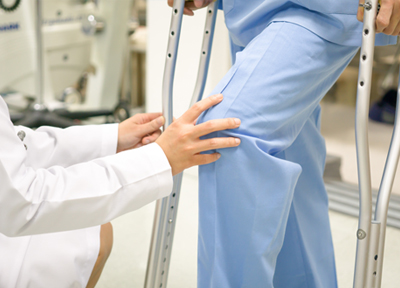
Post Surgical treatment is a crucial step to recovery after a surgery to help you heal completely and to improve your functional capacity. It is considered as important as the Surgical Procedure itself. It not only helps you recover faster but also helps you with better movement and prevents secondary complications, such as contractures and atrophy. Think of it as re-training the body part to function efficiently with the reduced risk of re-injuring the body part as well as managing your post surgical pain.
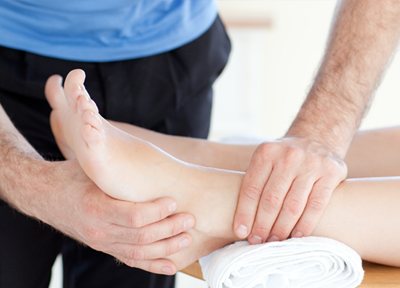
Pre surgical treatment

Pre surgical treatment or Prehab is the first step to your recovery. We assess the physical condition and functional limitations of our patients and design a program that best fits their needs. Rehabbing and retraining your body to move correctly can help manage your problem for the most part and the probability of undergoing surgery can potentially reduce. Depending on the extent of your injury if surgery is opted, your recovery will be a lot faster and smoother. Prehab works wonders with all age groups. Best for athletes or someone who wants to avoid or prolong their surgery.
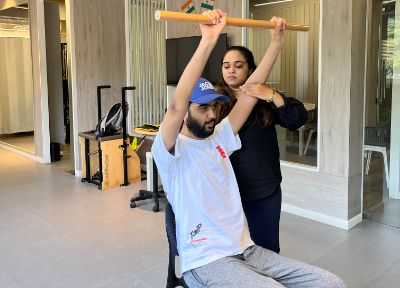
Osteoporosis and Osteopenia Treatment

Osteoporosis is a condition where the structure of the bones gets weakened which makes a person prone to fractures. Whereas, osteopenia is a condition which is characterized by increased bone loss. Commonly seen in women over 40 years of age and seniors. Research has shown that Physiotherapy and exercises can help reduce the rate of bone loss and improve bone strength. Physiotherapy also improves muscle strength, balance and flexibility which helps prevent falls and lowers the risk of fractures
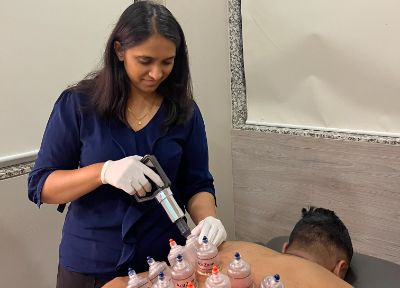
Sports Rehab And Conditioning

Sports rehab is an important step for an athlete or a sports professional for getting back to their desired sports. Without this there will be a high chance of recurrent and re-injuries. Sports rehab and conditioning offers a comprehensive approach at fixing the root cause of the athlete and then conditioning them with their sports specific drills which is supervised and is offered in clinic and on-field. This helps provide real time feedback and corrections.
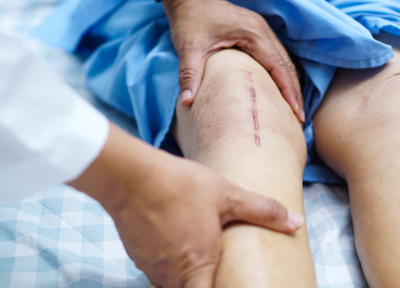
Total Joint Replacement Rehab

Opting for a Joint replacement surgery is a major decision. It helps improve chronic pain, improved quality of life and helps you get through daily activities independently. In order to get all these benefits after a surgery, it is very important to undergo Physiotherapy and rehab after a joint replacement surgery since it helps manage secondary complications like contractures, stiffness, pain, weakness loss of balance, etc. Physiotherapy and Rehab are key components to recovery after a Joint replacement surgery since it helps with the best possible outcome after surgery.
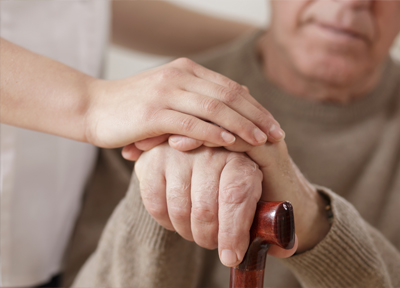
Parkinson’s Management

Parkinson’s is a progressive neurological disease that affects the the entire body in different ways eg: decreased coordination, increased weakness, loss of balance, muscle rigidity, postural changes, gait changes, reduced mobility etc. Physiotherapy helps target all those areas where patients are deficient and it helps work on their body holistically. This helps slow down disease progression by improving muscle strength, lung capacity, posture, balance, lowers fall risk, improves coordination and thereby improves quality of life.
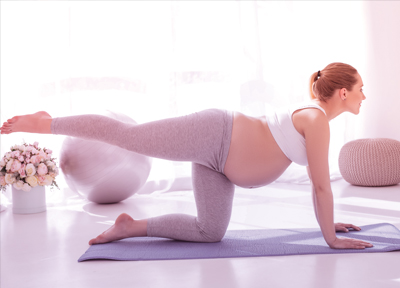
Women’s Health And Pelvic Floor Therapy

A woman‘s body undergoes many changes throughout her lifetime specially during her prenatal, postnatal and menopausal phases. These physical and hormonal changes can give rise to issues like back pain, sacro-iliac joint pain, hip pain, abdominal weakness, pelvic floor pain, sexual dysfunction, uterine prolapse and incontinence. Physiotherapy helps with each of these issues by targeting on focus areas and re-educating the core muscles, other structures and by teaching appropriate coping strategies to manage your condition. Great for moms to be, new moms and for women who have been experiencing physical disturbances related to menopausal changes.
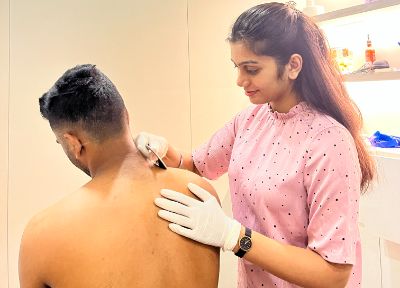
Ergonomic consultation

Every single activity we do in our daily life has a long term effect on our body if done repeatedly and incorrectly over a prolonged period of time. From the way we sit to the way we type can affect us in more that one ways. If you are someone who has been experiencing random aches and pains and don’t know the reason why, look at your posture, surroundings and the way you conduct yourself throughout the day. Physiotherapy helps you understand what can be done better at home and at work and can help you fix what needs to be fixed and prevent long term side effects. It would be best to get your workplace and home evaluated by our staff.
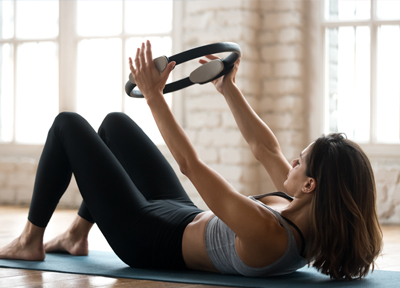
Pilates and Core strengthening

Core is nothing but the center of your body which dictates your stability and strength. There are about 6 muscle groups that form your core. It is believed that a weak core can give rise to new injuries and an existing injury can further weaken your core. It is very important for the center of your body to be stable, Pilates teaches you how to regain control over it and recruit your core appropriately when needed. You don’t have to be injured to undergo our Pilates and Core strengthening program. Pilates is a low impact exercise for your joints and helps you develop longer leaner muscles. Best for fitness enthusiasts, new moms, seniors, women, men, athletes, pre and post surgical candidates, candidates who are new into fitness and exercise.

Conditions We Treat

Headaches are commonly seen across all genders and age groups. Some common types are tension headaches, migraines, cervicogenic headaches or headaches caused because of other secondary conditions. A physiotherapist would typically evaluate you and determine the type of headache and if it is treatable by physiotherapy. Headaches are improved with the right exercises and hands on manual techniques. It helps improve quality of life, improved sleep, increased neck motion, decreased need for medication and reduction in headache frequency and intensity.

Possible reasons for Heachaches

Trauma to the back of the head, Stress, Neck tension or tight neck muscles, Osteoarthritis,Tumors in the neck, Cervical disc disease, Poor posture, Infection, Gout, Diabetes, Alterations in sleep schedule, Lack of sleep, etc

Hand pain can occur due to multiple reasons which can prevent you from simple day to day activities. Symptoms can start suddenly or may develop after a few years post injury/trauma. Symptoms of may include hand weakness, tingling, numbness, pain in the thumb and fingers, pain in the side of the wrist, difficulty gripping / grasping, stiffness and difficulty with movement, etc

Possible reasons for hand pain

De Quervain’s tendinitis (also known as De Quervain’s tendinosis), Rheumatoid arthritis in the hand, Carpal Tunnel Syndrome, Cubital Tunnel Syndrome – Ulnar Nerve Transposition, Dupuytren’s Contracture, Injuries to the extensor or flexor tendon, Wrist tendonitis, Wrist sprain, Fractured bones in the hand, Fractured bones in the finger(s), Cervical radiculopathy, etc

Neck pain is one of the common complaints in most people. Postural changes and lifestyle choices are a common factor for increasing neck pain. A good range of motion in the neck enables proper head and shoulder movement. Neck pain can be caused due to a sudden jerk, improper posture, sports injuries, falls, prolonged sitting and symptoms include pain in the neck and head, difficulty looking to either sides, difficulty tilting the head, upper back pain, pain radiating towards the shoulders, etc

Possible reasons for neck pain

Whiplash, Rheumatoid arthritis, Osteoporosis, Fibromyalgia, Spondylosis, Arthritic changes, Degeneration of cervical discs, Herniated cervical disc, Ruptured or slipped disc, Spinal stenosis, Improper posture, Trauma, Strain/Sprain, etc

Shoulder is a joint that anatomically has a lot of mobility but at the cost of its stability. This makes the shoulder joint more prone to injuries. Shoulder pain is commonly seen after sports injuries, falls, improper weight lifting, age related changes, falls, etc. Working on the mobility, strength and stability of the shoulder joint, shoulder blade and the mid-back is crucial in attaining complete recovery from pain and injury. Some symptoms are pain when sleeping on the affected side, pain when elevating arm, pain going up towards the neck, difficulty lifting objects, clicking of the shoulder, etc

Possible reasons for shoulder pain

Tendon tear in the shoulder, Tendon inflammation / degeneration in the shoulder, Bursitis, Tendinitis, Arthritis, Instability in the shoulder, Fracture or broken bone, Impingement, Frozen shoulder, Labral tear, Shoulder dislocation, etc

Elbow, forearm and arm pain is very commonly seen with sports injuries, trauma, as a result of repetitive movements and overuse injuries. Some common symptoms that include are arm redness, stiffness, swelling, tingling, numbness, sharp pain, muscle weakness, pain with gripping / grasping, etc

Possible reasons for Elbow pain

Tendon tear in the shoulder, Tendon inflammation / degeneration in the shoulder, Bursitis, Tendinitis, Arthritis, Instability in the shoulder, Fracture or broken bone, Impingement, Frozen shoulder, Labral tear, Shoulder dislocation, etc

Hip pain can be caused due to a number of reasons and can be debilitating since most movements of the spine and legs involve movement at the hips. True hip pain is noted around the groin, pain other than the groin region could be streaming in from the SI joint, other parts of the the pelvis and the lumbar spine. Hip fractures, another major cause are commonly seen is elders post falls. Some symptoms of hip pain include groin pain, reduced range of motion, limping, pain with prolonged sitting, pain while laying on your side, difficulty walking up and down the stairs, etc.

Possible reasons for hip pain

Juvenile rheumatoid arthritis, Osteoarthritis, Psoriatic arthritis, Rheumatoid arthritis, Septic arthritis, Tendinitis, Hip dislocation, Hip fracture, Labral tear in the hip, Bursitis, Inguinal hernia, Pinched nerves, Femoroacetabular Impingement (FAI), Sports hernia, Gluteal muscle tear, etc

Knee pain is one of the commonest complaints across all age groups. Acute and chronic knee pain can potentially hinder your ability to walk, drive, stand, climb stairs and manage other daily functions. Knee pain can occur due to a variety of reasons associated with sports trauma, injuries, lifestyle patterns, age related changes, improper footwear, ankle instability, hip instability and weakness, etc. Some symptoms of knee pain are redness around the knee joint, swelling, weak muscles, stiffness, excess fluid, warmth, etc.

Possible reasons for knee pain

Patellofemoral stress syndrome, Osteoarthritis, Rheumatoid arthritis, Tendinitis, Bursitis, Dislocated knee, Baker’s cyst, Chondromalacia patella, Meniscus tear, Gout, ACL tear, Torn ligaments, Bone tumors, etc

Feet are literally the base of your body when one attains an upright weight bearing position such as standing or walking. Certain alignments of the foot can make someone more prone to certain injuries and conditions. Proper biomechanics of the foot dictate how the ankle, knees and hips function and vice versa. Foot pain is commonly seen with sports injuries, obesity, improper exercise techniques, flat feet, etc. Some symptoms are pain in arch of foot, pain in toes, heel pain, swollen feet, weakened feet, trouble standing, inability to walk up stairs, pain while walking, pain getting out of bed, pain standing up from a seated position, etc

Possible reasons for foot pain

Toe sprain, Bone spurs, Plantar fasciitis, Achilles tendinitis, Avulsion fracture, Broken foot, Broken toe or toes, Stress fractures in the foot, Tendinitis, Bursitis, Gout, Achilles tendon rupture, Haglund’s deformity, Osteoarthritis, Rheumatoid arthritis, Reactive arthritis, Osteomyelitis, Psoriatic arthritis, Raynaud’s disease,etc

Ankle pain is commonly seen in athletes and someone who is on their feet all day. Although improper footwear can cause ankle pain; ankle sprains or ”rolled ankles” are a major cause for ankle pain. Once the ankle is sprained/strained, the probability of re-injuring or re-spraining the ankle increases. Physiotherapy can help manage initial onset of the injury and its recurrence. Some symptoms are pain and swelling in the ankle area, throbbing, weak ankle, stiffness in the ankle area, instability in the ankle joint, bruising around the ankle area, inability to bear weight on the ankle, burning pain in ankle, tingling, numbness,etc.

Possible reasons for Ankle pain

Sprained ankle, Bruised ankle, Fracture, Achilles tendon rupture, Bursitis, Osteoarthritis, Rheumatoid arthritis, Gout, Stress fracture in the ankle, Tendinitis, Degenerative tendon,etc

The spine is a long unit with multiple joints from the base of the skull all the way down into the buttock region. There are many causes for back pain which include muscle and ligament strain, disc herniation, nerve root impingement, fracture etc. Back pain can occur in the upper, middle or lower part of the back and is believed to be as common as the common cold and can be caused by an acute injury, postural changes or a chronic condition. Some symptoms are pain or discomfort in upper back or lower back, stiffness along the spine, sharp aches in the upper back or lower back, soreness in the upper back or lower back, muscle spasms, difficulty maintaining one position, etc. Symptoms of back pain can often be felt in other areas of the body or even radiate to legs.

Possible reasons for Back pain

Muscle strain, Fracture, Scoliosis, Herniated disc, Spinal stenosis, Degenerative disc disease, Spondylolisthesis (slipped vertebrae), Osteoporosis, Arthritic changes, Weak core and low back muscles, Poor sitting or standing posture, Facet Joint Syndrome, Sacro-iliac dysfunction, etc.

Leg pain is commonly seen and can be a result of sports injuries, improper techniques of exercising or undergoing physical activities that one is not used to. Leg pain is usually caused as a result of muscle strain. Most of these muscular injuries can be treated by physiotherapy. Leg pain can also be caused due to certain vascular insufficiencies, radiculopathy, crush injuries or compartment syndrome. Some symptoms are pain when stretching or flexing thigh muscles bruising on the leg, leg swelling, weak legs, muscle spasms,etc

Possible reasons for leg pain

Atherosclerosis, Peripheral Vascular Disease, Deep Vein Thrombosis, Sports injuries, Blood clot in leg, Arthritis, Osgood-Schlatter disease, Legg-Calve-Perthes disease, Tendinitis, Gout, Nerve damage in the leg, Muscle cramps (charley horse), Acute leg injury, Slipped disc (herniated disc), Varicose veins, Dehydration, Overuse of leg muscles, Torn leg muscle, Inflamed tendons, Shin splints, etc.

Wrist is a link between the forearm and the hand and which is why wrist pain is commonly seen with elbow and hand injuries and vice versa. Repetitive motions, excessive upper body weight bearing, improper exercise techniques, sports injuries are some of the most common causes of wrist injuries. Most wrist pain and injuries can be managed by Physiotherapy. Some symptoms may include pain, wrist stiffness, weakness in hands, difficulty gripping, tingling and numbness in hand, elbow and forearm discomfort, etc.

Possible reasons for Wrist pain are

Osteoarthritis, Rheumatoid arthritis, Gout, sprains/strain, fracture, tendonitis, carpal tunnel syndrome, cubital tunnel syndrome, elbow fracture, De Quervain’s tendinitis, etc.

Treatment Programs

Orthopedic therapy is a specialization in Physiotherapy that aims at improving weakened and injured components in the musculoskeletal system eg: Joints, bones, muscles, tendons, ligaments, fascia, etc. Orthopedic Therapy is the most widely used in acute, chronic injuries and surgical cases.

Balance and fall prevention is an important part of Physiotherapy that aims at identifying multiple risk factors associated with falls and managing its complications. We assess our patients and their environment that maybe associated with high risk factors and suggest changes and modifications in our patient’s home or office that ensure safety. We work with them to help improve their strength, dynamic balance and proprioception.

Post Surgical treatment is a crucial step to recovery after a surgery to help you heal completely and to improve your functional capacity. It is considered as important as the Surgical Procedure itself. It not only helps you recover faster but also helps you with better movement and prevents secondary complications, such as contractures and atrophy. Think of it as re-training the body part to function efficiently with the reduced risk of re-injuring the body part as well as managing your post surgical pain.

Pre surgical treatment or Prehab is the first step to your recovery. We assess the physical condition and functional limitations of our patients and design a program that best fits their needs. Rehabbing and retraining your body to move correctly can help manage your problem for the most part and the probability of undergoing surgery can potentially reduce. Depending on the extent of your injury if surgery is opted, your recovery will be a lot faster and smoother. Prehab works wonders with all age groups. Best for athletes or someone who wants to avoid or prolong their surgery.

Osteoporosis is a condition where the structure of the bones gets weakened which makes a person prone to fractures. Whereas, osteopenia is a condition which is characterized by increased bone loss. Commonly seen in women over 40 years of age and seniors. Research has shown that Physiotherapy and exercises can help reduce the rate of bone loss and improve bone strength. Physiotherapy also improves muscle strength, balance and flexibility which helps prevent falls and lowers the risk of fractures

Sports rehab is an important step for an athlete or a sports professional for getting back to their desired sports. Without this there will be a high chance of recurrent and re-injuries. Sports rehab and conditioning offers a comprehensive approach at fixing the root cause of the athlete and then conditioning them with their sports specific drills which is supervised and is offered in clinic and on-field. This helps provide real time feedback and corrections.

Opting for a Joint replacement surgery is a major decision. It helps improve chronic pain, improved quality of life and helps you get through daily activities independently. In order to get all these benefits after a surgery, it is very important to undergo Physiotherapy and rehab after a joint replacement surgery since it helps manage secondary complications like contractures, stiffness, pain, weakness loss of balance, etc. Physiotherapy and Rehab are key components to recovery after a Joint replacement surgery since it helps with the best possible outcome after surgery.

Parkinson’s is a progressive neurological disease that affects the the entire body in different ways eg: decreased coordination, increased weakness, loss of balance, muscle rigidity, postural changes, gait changes, reduced mobility etc. Physiotherapy helps target all those areas where patients are deficient and it helps work on their body holistically. This helps slow down disease progression by improving muscle strength, lung capacity, posture, balance, lowers fall risk, improves coordination and thereby improves quality of life.

A woman‘s body undergoes many changes throughout her lifetime specially during her prenatal, postnatal and menopausal phases. These physical and hormonal changes can give rise to issues like back pain, sacro-iliac joint pain, hip pain, abdominal weakness, pelvic floor pain, sexual dysfunction, uterine prolapse and incontinence. Physiotherapy helps with each of these issues by targeting on focus areas and re-educating the core muscles, other structures and by teaching appropriate coping strategies to manage your condition. Great for moms to be, new moms and for women who have been experiencing physical disturbances related to menopausal changes.

Every single activity we do in our daily life has a long term effect on our body if done repeatedly and incorrectly over a prolonged period of time. From the way we sit to the way we type can affect us in more that one ways. If you are someone who has been experiencing random aches and pains and don’t know the reason why, look at your posture, surroundings and the way you conduct yourself throughout the day. Physiotherapy helps you understand what can be done better at home and at work and can help you fix what needs to be fixed and prevent long term side effects. It would be best to get your workplace and home evaluated by our staff.

Core is nothing but the center of your body which dictates your stability and strength. There are about 6 muscle groups that form your core. It is believed that a weak core can give rise to new injuries and an existing injury can further weaken your core. It is very important for the center of your body to be stable, Pilates teaches you how to regain control over it and recruit your core appropriately when needed. You don’t have to be injured to undergo our Pilates and Core strengthening program. Pilates is a low impact exercise for your joints and helps you develop longer leaner muscles. Best for fitness enthusiasts, new moms, seniors, women, men, athletes, pre and post surgical candidates, candidates who are new into fitness and exercise.

Faq’s

Have Any Questions?

What Conditions do you treat?

At Zen Physio, we treat back pain, neck pain, sports injuries, joint pain, arthritis, sciatica, muscle strains, post-surgical recovery, tendonitis, headaches, and balance issues to restore your health.

Do I need a doctor's referral?

No doctor’s referral is needed at ZenPhysio! You can book your physiotherapy sessions directly with us. Our experienced therapists will assess and create a personalized treatment plan for you.

How many sessions will I need? What would it cost me?

The number of sessions at ZenPhysio varies based on your condition and goals. During your first consultation, we’ll create a personalized plan and discuss session costs and payment options. Usually, if you have more number of sessions, we offer discounted rates.

What to expect during my first visit?

During your first visit to Zen Physio, expect a thorough assessment, personalized treatment planning, and a discussion of your goals. We’ll begin gentle therapy tailored to your needs for optimal recovery. 

How do I schedule an appointment?

Scheduling an appointment at Zen Physio is easy! Call us, book online through our website, or visit our clinic. Our friendly staff will help you find a convenient time that suits you. You book an appointment at either of our centres, at Nashik Road and College Road.

Testimonials

What Our patients Say

 Over the years our patients have become more like family. We’ve built trust as Nashik’s Best Physiotherapy Centre and continue to serve now in a brand new location. Here’s what our patients say about us!